Founder
Our Story

Every tree we plant is a prayer. Every meal we serve is a memory.

The journey of Annapradokshana began not as an organization, but as a deeply personal act of healing, remembrance, and service.

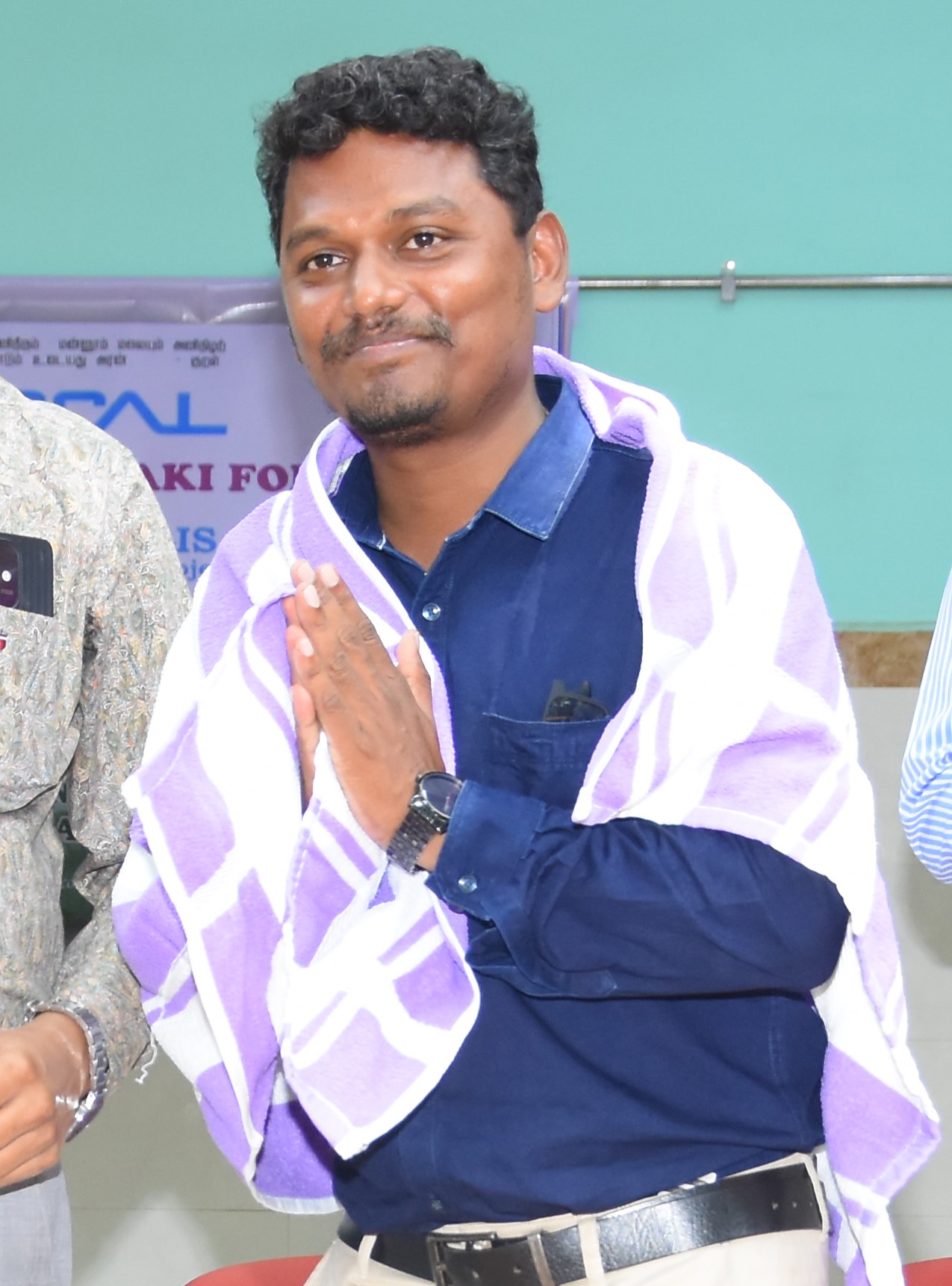
— Pravinkumar Founder & Managing Trustee
Founder’s Story

How It All Began

Life brings unexpected twists. And in those moments, we discover our true strength and purpose.

My journey took a turn when tragedy struck. I lost a dear friend. The grief was unbearable — the kind that doesn’t ask for words, only that you sit with it.

And so I did.

Founder Story
Healing Journey
A Journey of Healing

To overcome the loss, I turned to yoga and meditation at the Isha Yoga Centre in Coimbatore.

Slowly, breath by breath, I began to heal.

As the pain softened, something else grew in its place — a deep, quiet wish to honour my friend’s memory through service.

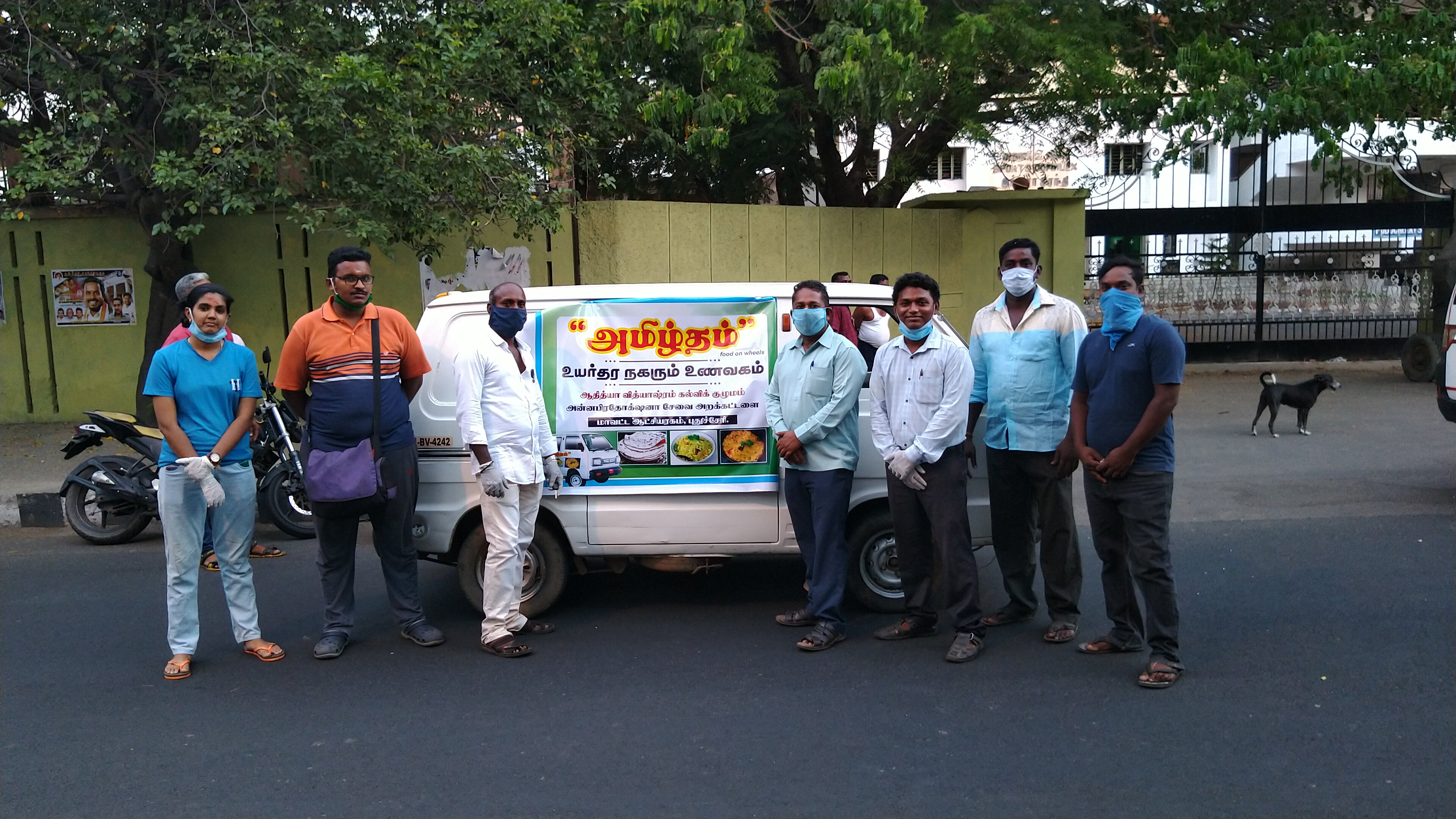
I began offering meals to those who had none. Quietly. Just because feeding another felt like the most sacred thing I could do.

“

In every meal I served, I felt my friend’s hand on my shoulder.

The Neem Tree That Changed Everything

Years later, my work took me across the highways of Tamil Nadu.

And I saw destruction — tree after tree gone, entire stretches once shaded now scorched and silent.

One day, on one such highway, I drank four litres of water and still felt thirst.

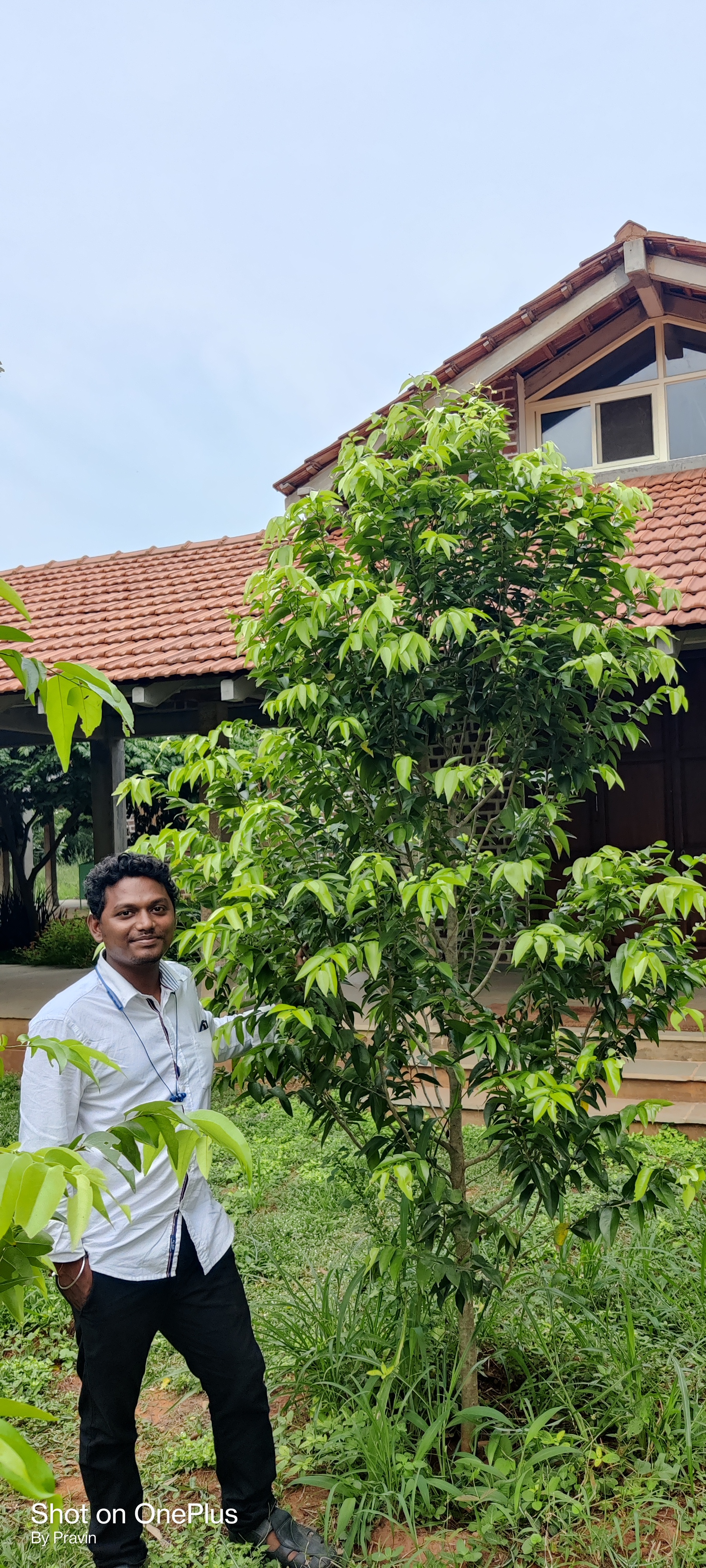
Then I found a lone neem tree by the roadside and sat under it.

Within minutes the air cooled, my breath returned, my thirst eased.

Neem Tree
“

If one tree can do this for me, what could ten million do for this country?

Miyawaki Plantation
From a Personal Vow to a National Vision

A Promise That Became a Movement

I started small — 50 saplings along a highway.

Then 500. Then 5,000.

Today we have planted over 40,000 native trees, and our goal is clear: to work towards 10 million native, endangered, and sacred-grove species across highways, schools, and government lands.

This isn’t a number for a brochure.

It is a debt I owe — to that neem tree, to my friend, and to the soil that fed our ancestors.

Why Native Trees? Why Not Just Any Tree?

We Are Bringing Back The Trees That Built This Land.

Decades ago, our roadsides were lined with tamarind trees.

Their shade rested travellers, their fruit gave villagers income, their leaves fed cattle, their wood built homes.

Modernisation replaced them with ornamental trees — pretty to look at, but empty of life.

No birds. No fruit. No lasting shade.

We are bringing back the natives.

NeemPongamiaTamarindJamunVembuIluppaiNavalVagai

The trees that built this region — and the trees this region needs to survive what’s coming.
And the Children Who Will Inherit It All

A Forest Means Nothing If Children Do Not Learn To Love It.

A forest grown without children to protect it will not survive.

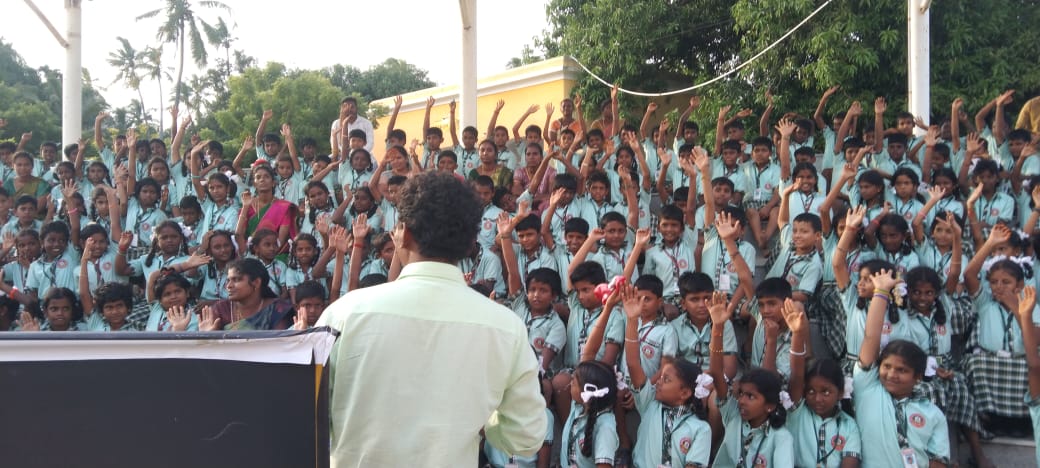
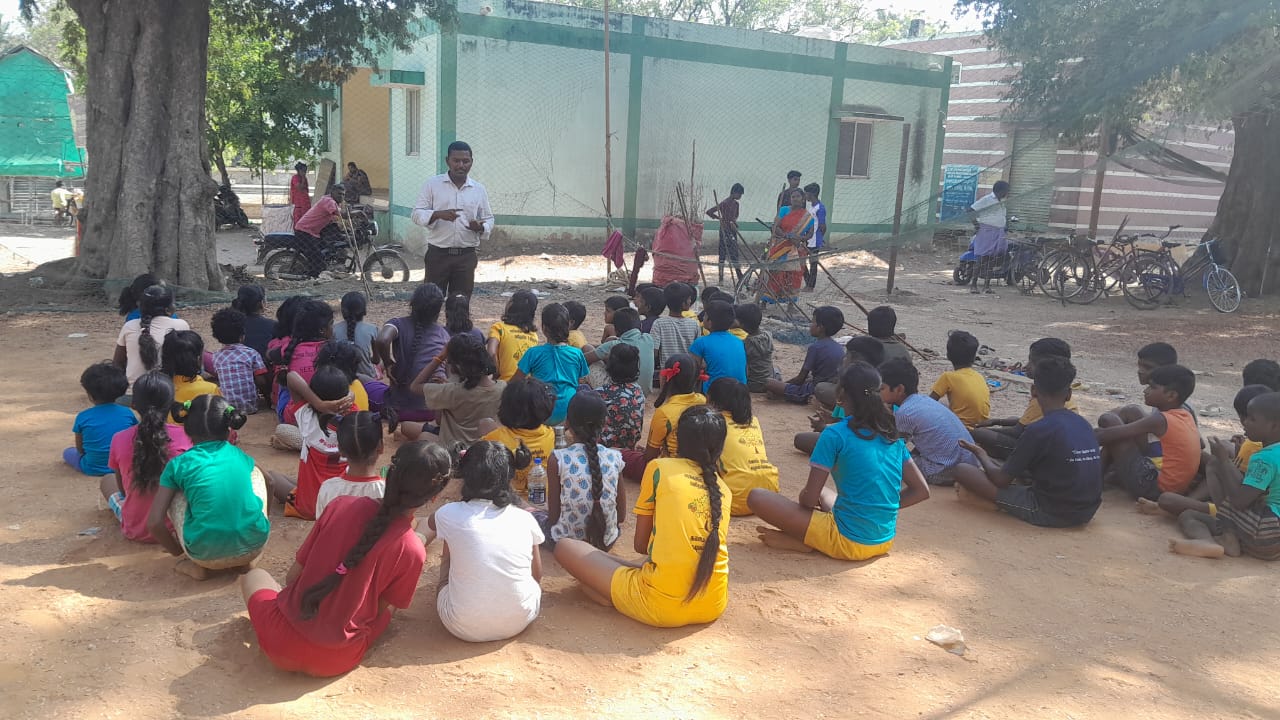
That is why we are building Nature-Based Learning Centres — spaces where children learn about:

  • Native trees
  • Organic farming
  • Mindfulness
  • The wisdom of the soil
  • Climate responsibility

Because the next generation must not only plant the trees. They must understand why.

Children Learning Nature
Why “Annapradokshana”?

The Sacred Act of Offering Food

The word “Annapradokshana” means “the sacred act of offering food.”

In our tradition, feeding another person is the highest form of service.

It reminds us that every act of giving — whether a meal, a sapling, a school fee, or a moment of dignity — is sacred.

This is our name. This is our way.

— Pravinkumar, Founder & Managing Trustee

Our Mission

We rescue surplus food from weddings, hotels, and events—redirecting it to those in need while converting the remaining waste into compost. Alongside this, we lead native tree planting, pond desilting, and youth-led climate education using proven techniques like Miyawaki forestry. We also support children’s education by running tuition centres, helping with school and college fees, and offering career guidance to shape their future. Every action restores dignity, reduces emissions, and reconnects communities to nature. Our model isn’t just charity it’s circular care. With your partnership, we can deepen our roots and widen our reach.

Our Vision

To builds regenerative and compassionate communities where people, nature, and livelihoods flourish together sustainably

What We Stand For

The Principles Behind Every Action

Dignity over pity

Trees over towers

Sustained presence over one-time stunts

Local first, always

Transparency in every rupee

Children at the centre of tomorrow

Our Journey

The journey of Annapradokshana Charitable Trust is one of purpose, perseverance, and continuous growth. Every milestone reflects our commitment to creating lasting social and environmental impact.

2015

The Beginning

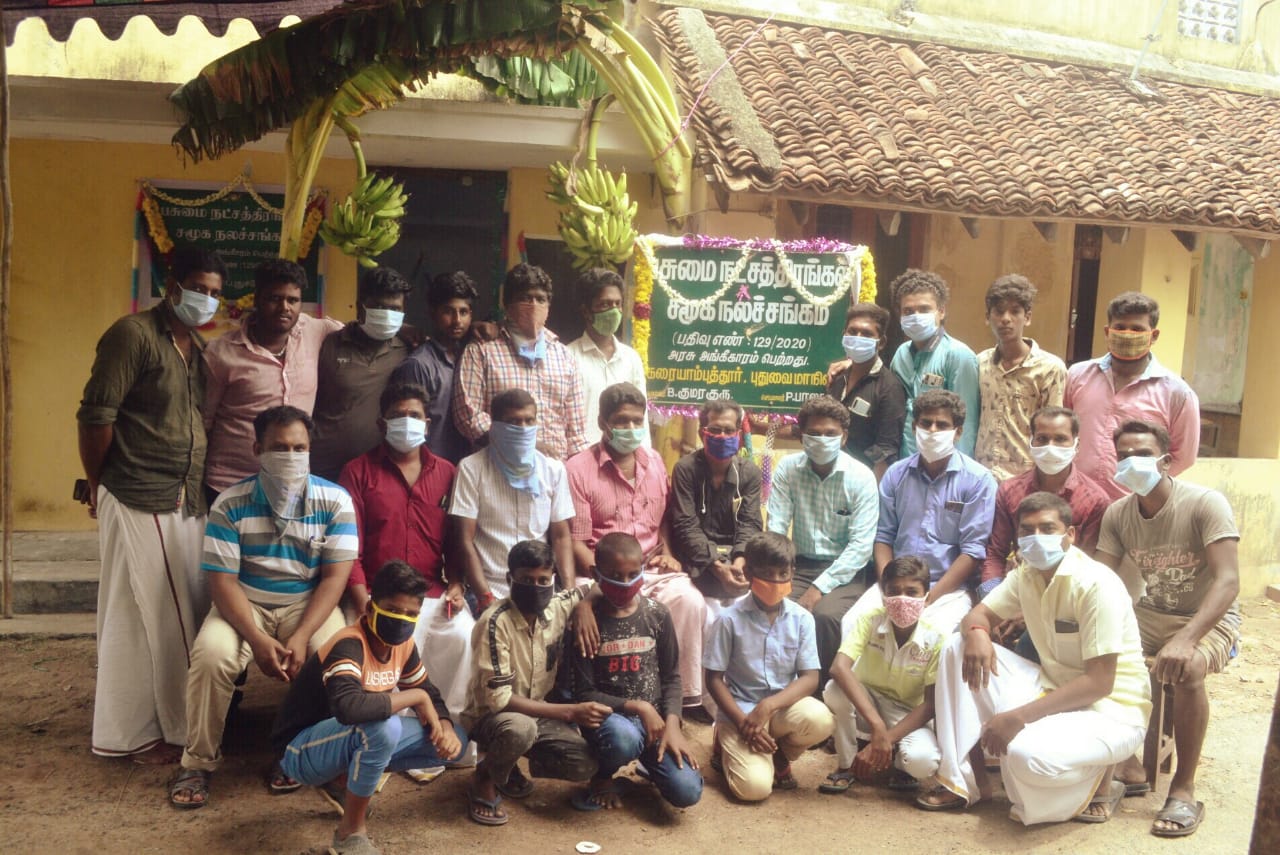
The journey began with a simple act of compassion serving nutritious meals to hungry individuals in memory of a close friend. This heartfelt initiative laid the foundation for what would later become Annapradokshana Charitable Trust.

2016

Establishing the Trust

✨Annapradokshana Charitable Trust was formally registered.
✨Registration No. 2179/2016.
✨The first 50 native saplings were planted, marking the beginning of APCT's environmental conservation movement.

2017

Building the Foundation

✨Obtained 12A Registration.
✨Obtained 80G Registration.
✨Registered under CSR-1.
✨Developed the first Miyawaki Forest, introducing an innovative model for rapid ecological restoration.

2020

Expanding the Mission

✨Launched the Farmer Livelihood Revitalisation Programme (FLRP).
✨Established CSR partnership with Chemfab Alkalis Ltd.
✨Established CSR partnership with Manatec Pvt. Ltd.
✨Expanded Programs in environmental restoration, sustainable agriculture, food security, and community development.
✨As APCT continues to grow, every milestone strengthens its commitment to building resilient communities and restoring the relationship between people and nature.

Our Team
Our Team

The Hands Behind Every Meal, Every Tree, and Every Child We Support.

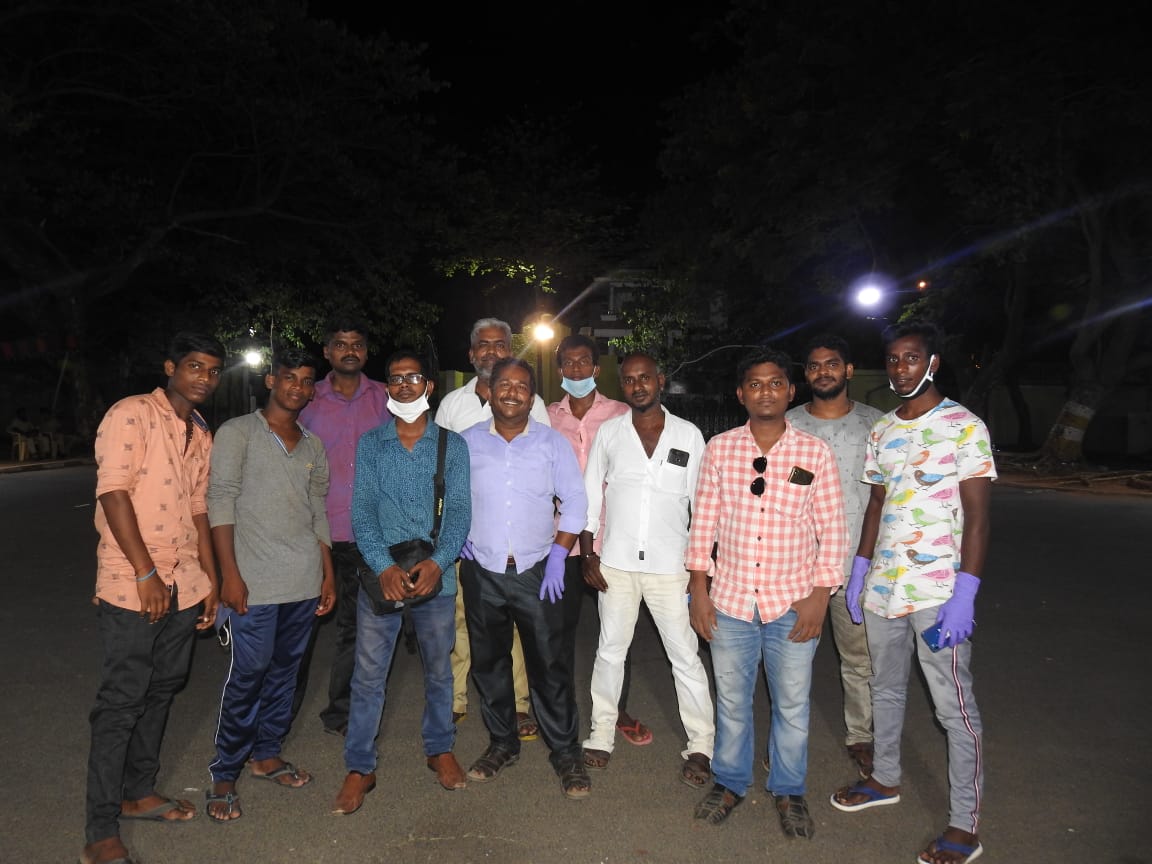
Behind every meal served, every tree planted, every farmer trained, there are real people who show up at 6 AM.

Trustees who serve without salary. Coordinators who walk villages in summer heat. Volunteers who give weekends they could have rested.

They are the heart of Annapradokshana.